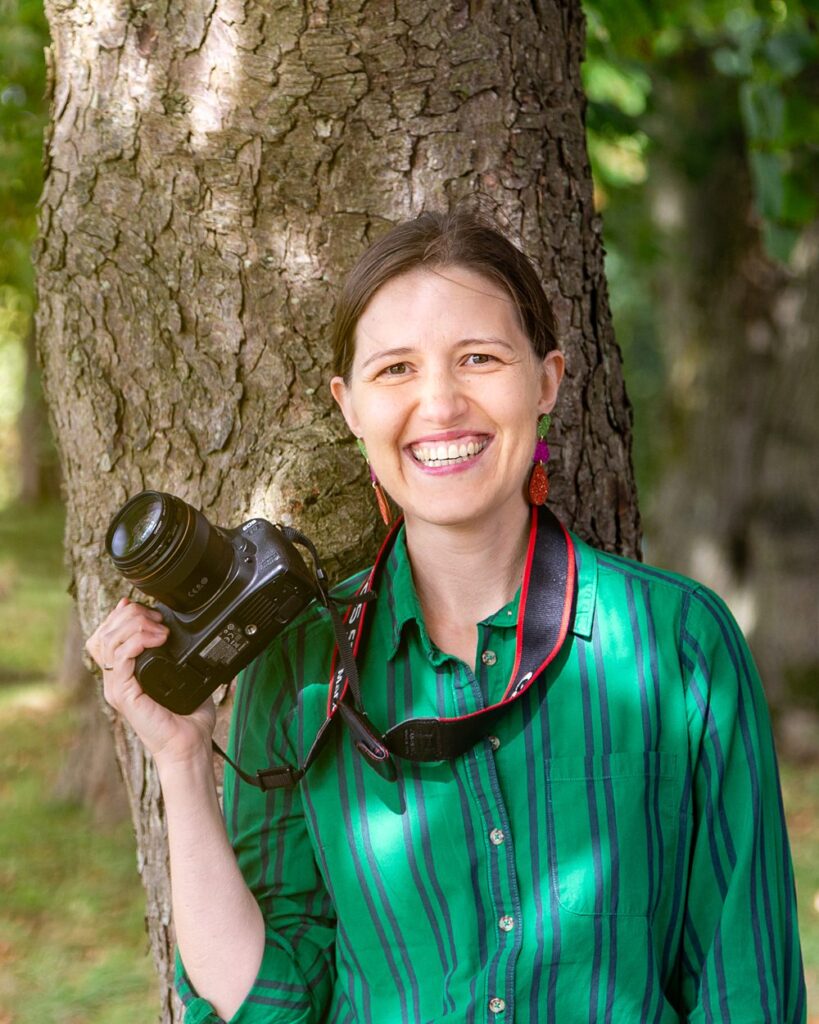
Dads Don’t Like Being Photographed
My husband doesn’t either.
Most dads don’t, or more accurately, they don’t like what they think is going to happen at a family photography session.
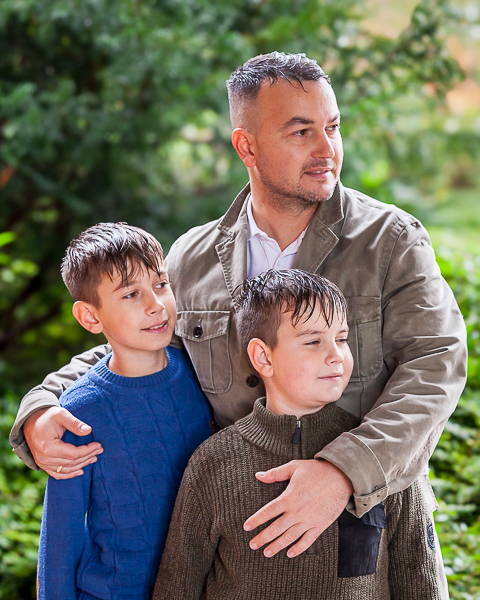
It’s Not About Photos
It’s usually framed as reluctance or lack of interest, but what sits underneath is more specific. A photo session asks for a kind of exposure that isn’t familiar. It removes control over how you come across, and it places you in a position where you can be evaluated without a clear definition of what “doing it well” means.
Most men are used to competence that is active and visible: they solve, fix, decide, and move things forward. In front of a camera they are no longer doing something, they are being looked at, and that can feel destabilising.
Why Being Seen Feels Different for Men and Women
A man once said to me: “You can either catch me unawares or just tell me what to do.”
For many women, being seen and assessed visually is not new. It has been part of life for years, often since adolescence. It is not right or comfortable, but it is familiar enough that there is a learned ability to manage it, to adjust, to stay intact under observation without losing footing completely.
That difference matters, because a photo session is not neutral. It asks for presence rather than action, it removes the usual markers of competence, and it replaces them with something less defined and harder to control.
The Subtle Power Dynamic No One Mentions
There is also another layer that is rarely named. In most of my sessions I am the one observing, directing, and deciding what works visually. For some men, being observed and guided by a woman in that way feels unfamiliar enough to register as pressure, not dramatic, but enough to make them more aware of themselves, more careful, and more concerned with getting it right.
From the outside that may look like resistance, but it is usually a form of self-protection. If the situation is unclear and the rules are undefined, holding back is the safer option.
“It Will Feel Staged” – A Real Concern
A friend told me how her partner reacted when I suggested photographing them.
His argument was that the way we behave when we’re alone should stay between us, and in the presence of someone else it would become staged and performative. He’s not wrong.
The moment there is an observer, something changes, and it would be naive to pretend otherwise. What he is describing is the fear that the moment stops being real and starts being performed, that it becomes something done for the camera rather than something that they would have been doing naturally.
If you already feel exposed or unsure how you will come across, that shift feels risky. It is no longer just being seen, it is being seen doing something that may not feel fully yours, and the risk is that this is what you will see when you look at the photos.
Not Everything in Front of a Camera Is Performance
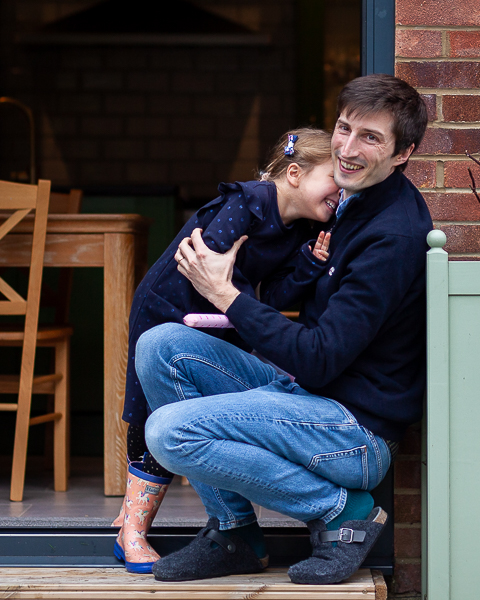
But not everything in front of a camera has to be for show. There is a version of being with each other that still holds when someone else is present. It won’t be private, but it will be real.
You see it in small gestures that do not disappear just because someone is watching, in the way people stand close without thinking, and in how they look at each other without being prompted. These are the things I watch for when I photograph families.
Why Posing Feels So Unnatural
The problem is not the camera, it is the expectation of performance. Posing, as most people imagine it, asks you to present a different version of yourself and to know how to do it. It makes people feel like they are being evaluated against some vague standard.
How I Work Instead
I don’t really pose families, I direct. Directing means creating situations that lead to the end result, which in this case is family photos that look and feel good.
That is why I always suggest planning simple activities during the session, something you would normally be doing on a Saturday morning: cooking, gardening, going for a walk, playing. It makes it easier for the children, but it makes it easier for the dads too.
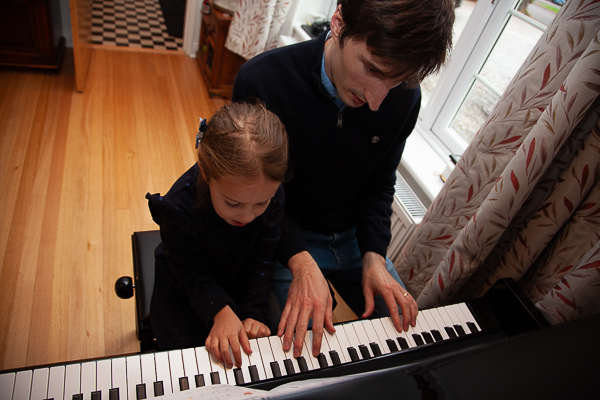
I pay attention to what is already there: the way you naturally move and interact. I guide you as needed, for instance I may ask someone to shift their position slightly or to move towards the light, but I stay within what still feels accurate and representative of what I am witnessing.
If Your Partner Is Reluctant to Book a Family Photoshoot
If your partner is hesitant, it does not mean the session will be awkward, it means he cares about not getting it wrong. That is a workable place to start, because the resistance is not to the photos themselves, it is to the idea of being exposed and judged in the process, and that is something most people recognise.
You do not need to convince him he will enjoy it, and you do not need to promise that it will feel completely natural. It will feel different, because it is different, but it does not have to feel false.
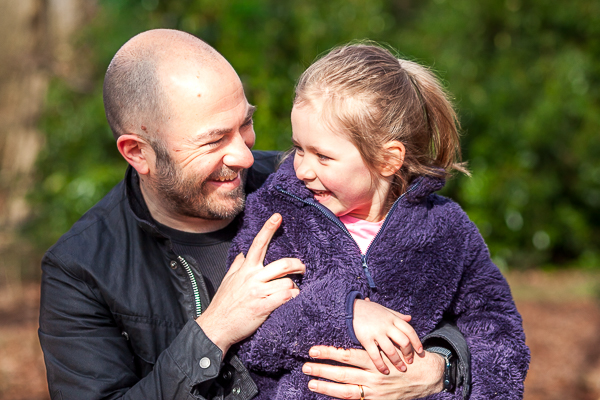
You Don’t Need Your Partner to Love It
You do not need your partner to love the idea of having a family photography session. You just need them to feel safe enough to show up.
Dads do not have to cross a boundary that matters to them to be photographed. It only works when that boundary stays intact.